
After a chill few days in Labuan Bajo, we flew to Jakarta and prepared ourselves to be engulfed in this busy, fast-paced and extremely populated city. In shopping malls and regular chains, vegan options are not commonplace, as well the knowledge of what vegan means is not as strong as western countries. There are however, many Chinese Indonesian people living in Jakarta who follow a Buddhist tradition and therefore eat vegetarian food. These vegetarian places predominantly serve Chinese cuisine which rarely includes dairy but sometimes egg. If you enjoy trying mock meats, vegetarian Chinese restaurants are a must try.
In this post I will talk about…
- Buying ingredients from the market
- Cooking a traditional Indonesian dish in a small apartment
- Going to all vegan cafes/restaurants
- How to order at a food stall
- Extra things to know to help your trip run smoothly
Going to the market
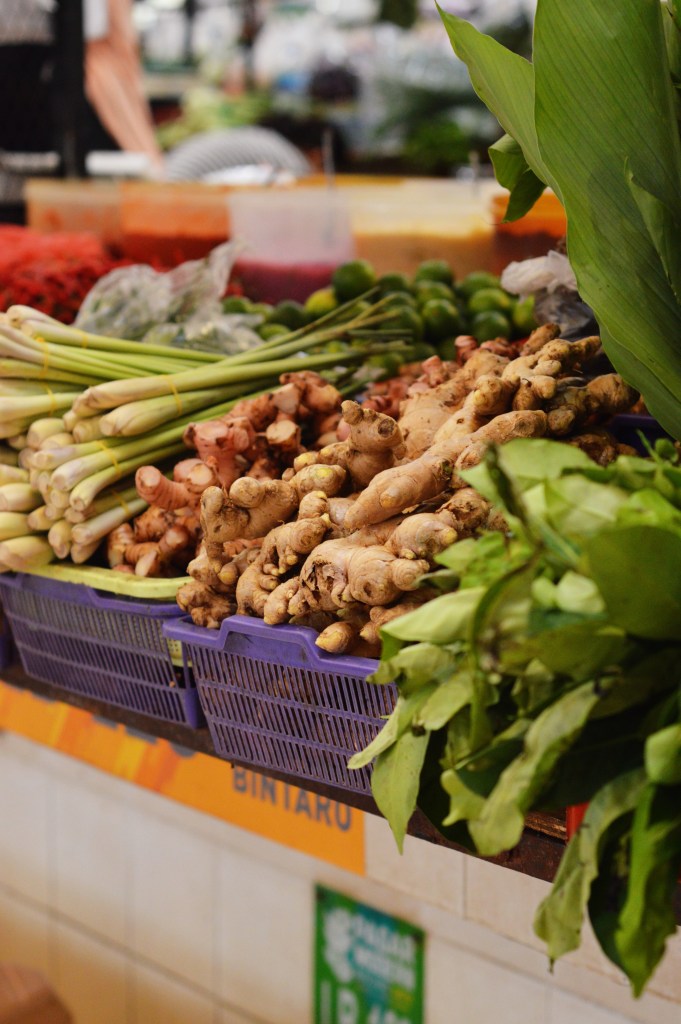
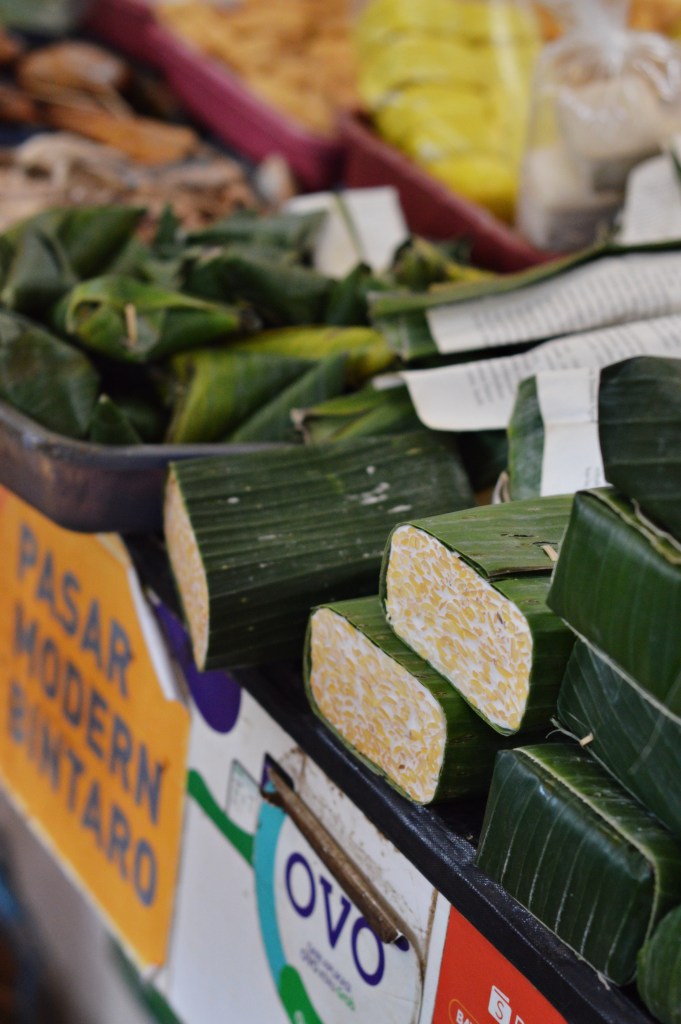
I stayed in a small apartment in Bintaro, Jakarta and wanted to try buying groceries and cooking in Indonesia as if I was living there. We went to a tradition style market called Pasar Modern that was really close by, which means Modern Market and found an abundance of fresh vegetables and I was in awe of the freshest tempeh I’ve ever seen. If you’ve only seen tempeh in Australia or other countries, tempeh at the market might catch you by surprise. They are wrapped in a banana leaf and sometimes some newspaper. They come in all shapes, like a block, small rectangle or pyramid.

I also bought all the ingredients for stir-fried green papaya here. I bought galangal, garlic, shallots, a whole green papaya (you can find pre sliced green papaya which will make it a lot easier), red chilli, candlenuts, Javanese sugar (gula jawa), various packages of tempeh and a small bottle of kecap manis sauce. The one thing that frustrates me is the use of plastic for basically everything in Indonesia. Back in Australia, sustainability is a big focus with people bringing their own bags. In the market, literally everything was packaged in plastic, from the garlic, chilli, galangal… if you are plastic conscious, you will need to tell them directly that you don’t want to use a plastic bag. If you see them starting to package the smallest thing in plastic, you can say: ‘ga usah pake plastik’ – all phonetic, which means ‘no need to use plastic’.
How to cook tempeh
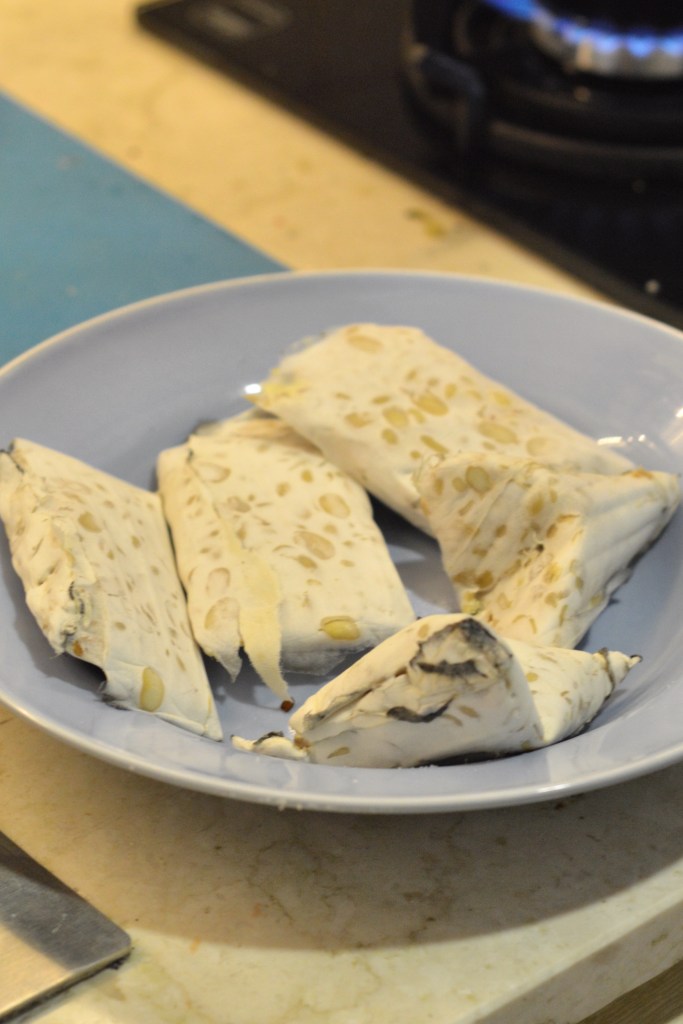
When I unwrapped the tempeh and touched it, it’s nothing like I’ve ever felt. It feels like a cobwebby vibe on the surface and there’s black bits on it. I made sure I gave it a good rinse as sometimes small bugs make their way onto the tempeh while at the market. I picked off the black bits too, just in case. Indonesians love to deep fry their food, and tempeh is no exception. My Indonesian boyfriend Yayan (who once claimed that he didn’t know how to cook) showed me how he scores the tempeh and then places it into salty water before deep frying it until it turns golden brown.
Making stir-fried green papaya (oseng pepaya)
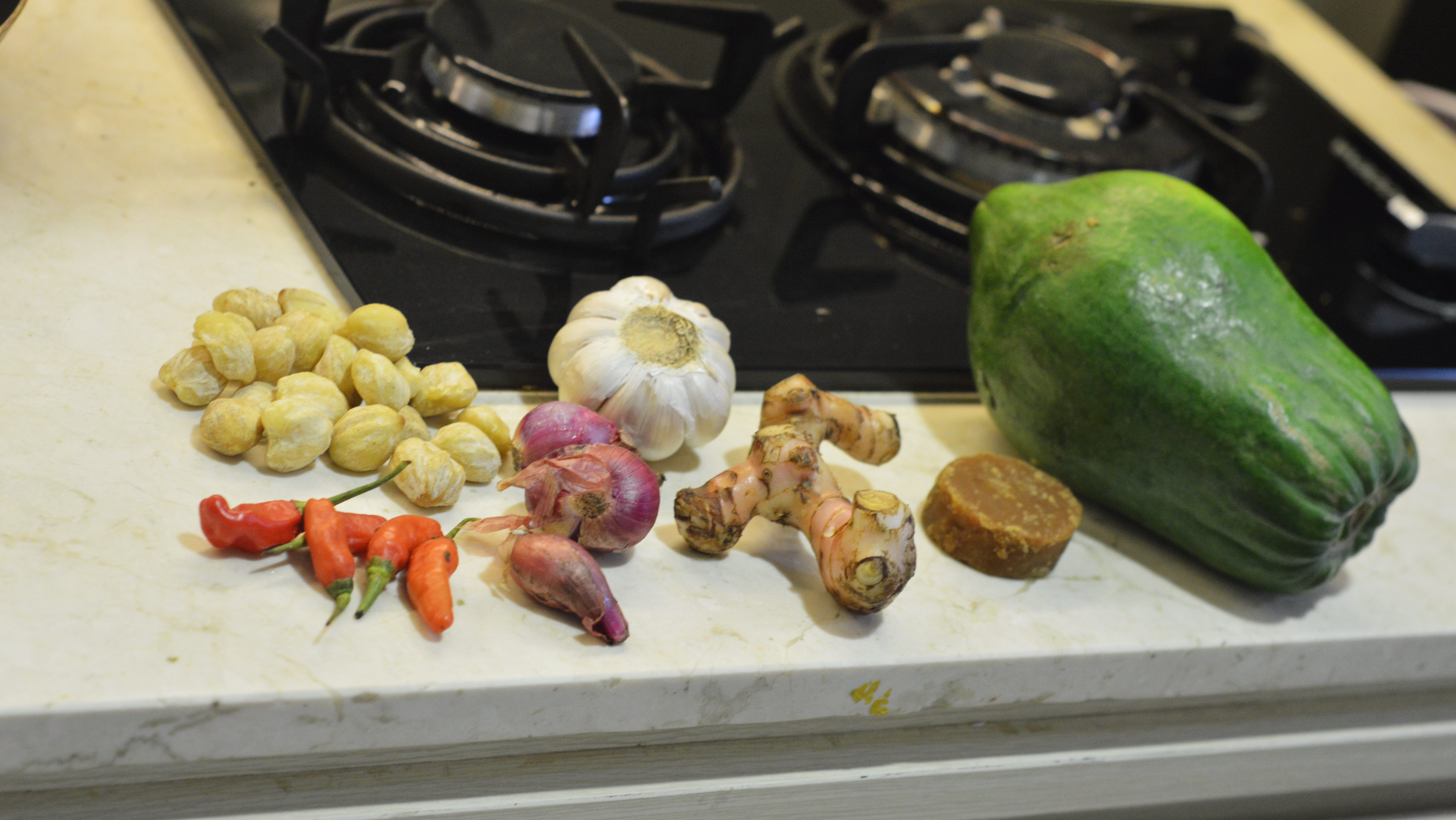
I wanted to cook something Indonesian in the spirit of being here that also didn’t need much bench space. Ripe papaya is yellow, sweet and soft, but young papaya is green, hard and lacks much flavour on its own. I followed a general recipe I found online. Cutting the papaya was the most tedious, and as soon as you cut it, a sticky white sap-like liquid starts seeping out and makes your fingers tacky. The recipe said to grate it, but our apartment didn’t include a grater, so I just peeled the outside skin and sliced the papaya into strips.
Then I sliced the garlic, shallots and chilli and put it into a small bowl. Then I chopped the candlenuts, chilli and galangal until it was a minced texture, put it into a small bowl with a dash of water and mashed it as much as I could to turn it into a paste texture. I prepared the Javanese sugar by chopping a block of it into small pieces so it would easily mix into a splash of water.
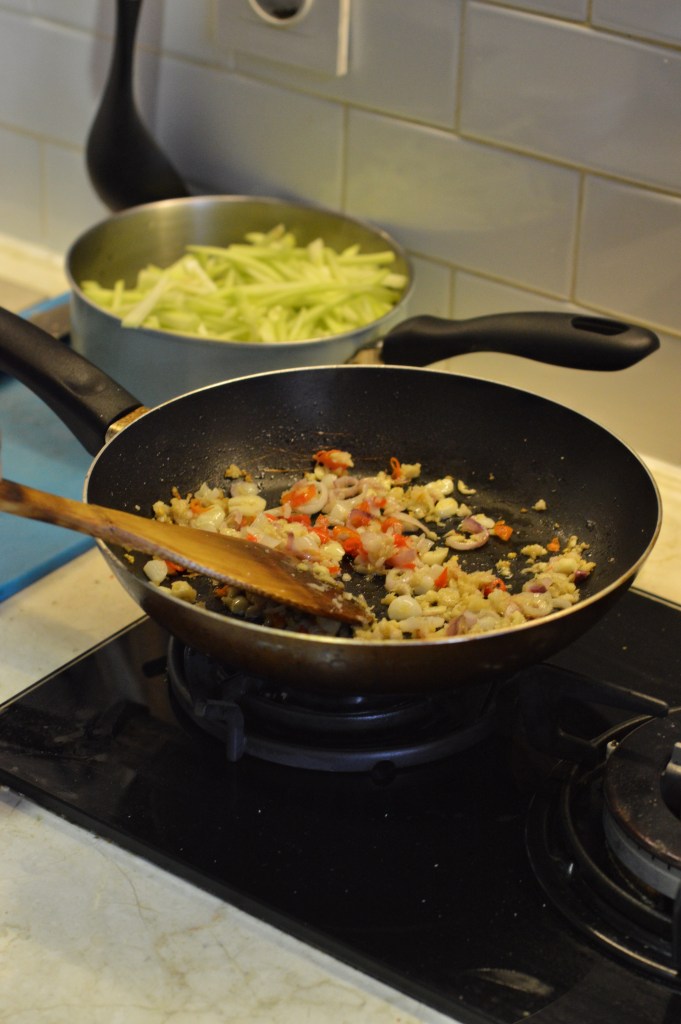
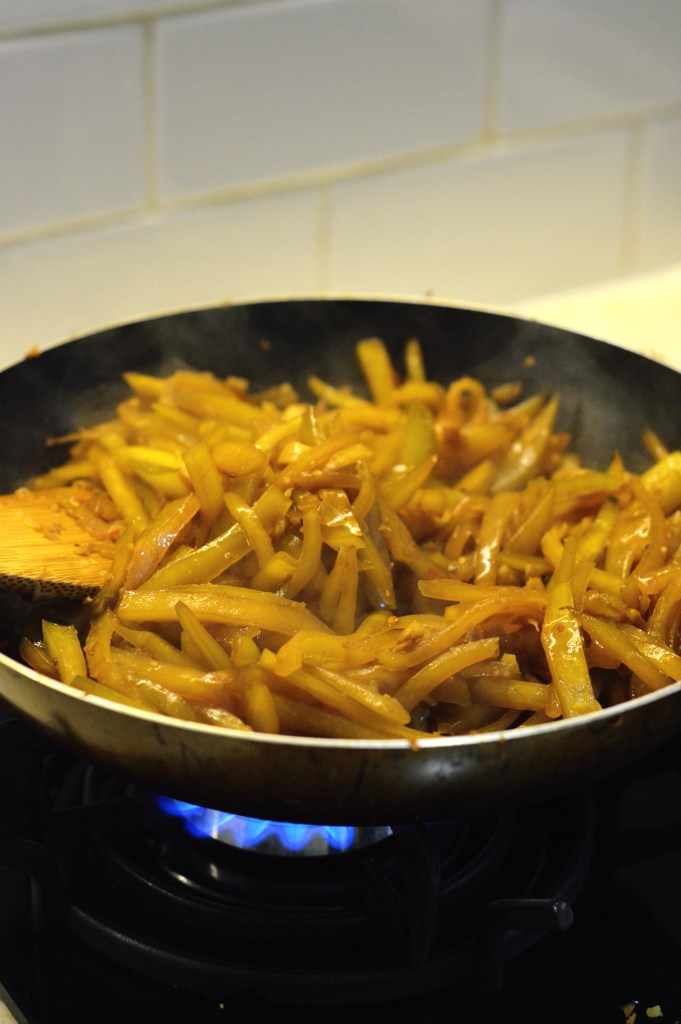
Then it was time to start frying all the aromatics and then add the papaya to the pan, along with the Javanese sugar, kecap manis sauce and salt. I knew when the papaya was cooked because it started to turn translucent and reminded me a bit of the appearance of jellyfish or seaweed.
Watch how I made it here:
Where to Eat
In terms of dining out, these are definitely places that stand out, which I enjoyed on numerous occasions and the quality of the food is top notch.
Burgreens – various locations



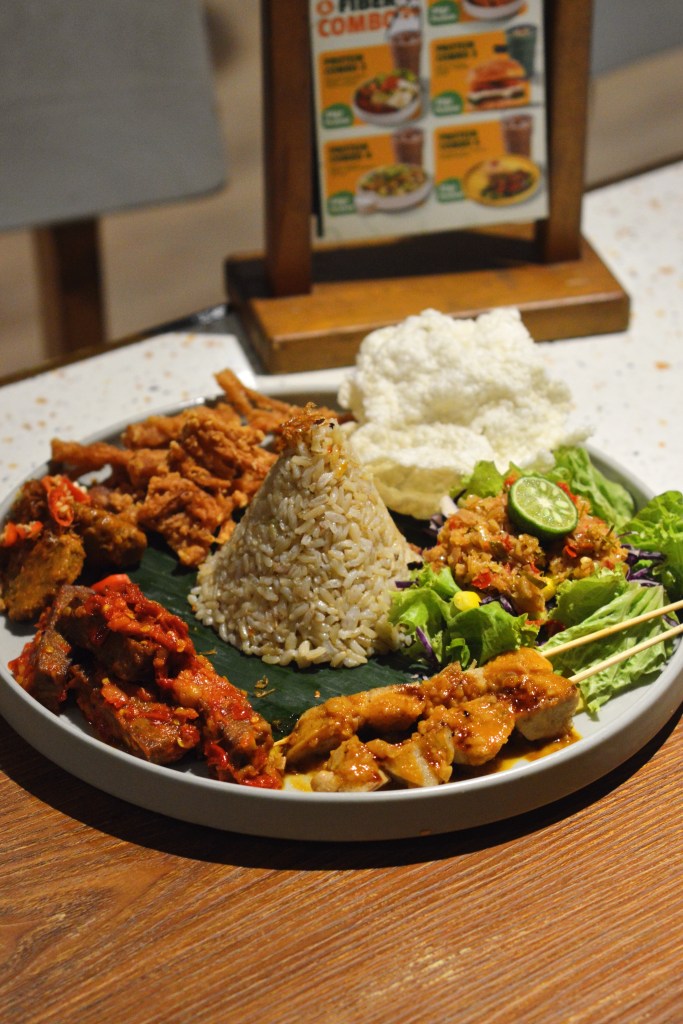
With a range of stores around the city, Burgreens is like your sanctuary when you need some tasty vegan food, whether it is western inspired, Indonesian inspired or even Japanese inspired. Burgreens has a fun and playful vibe with a really big variety of sweet and savoury. All of the food I’ve tried have been so good, but I’ve got to make a special mention for the variety of fun drinks they have on offer, such as an es kopi susu with boba, being like an iced coffee that is super creamy and sweet. The desserts they have include brownies, cheesecakes and cookies. Every time I was lost on where to eat, I would often think ‘let’s just find a Burgreens’.
Kinkitsuya – PIK, North Jakarta
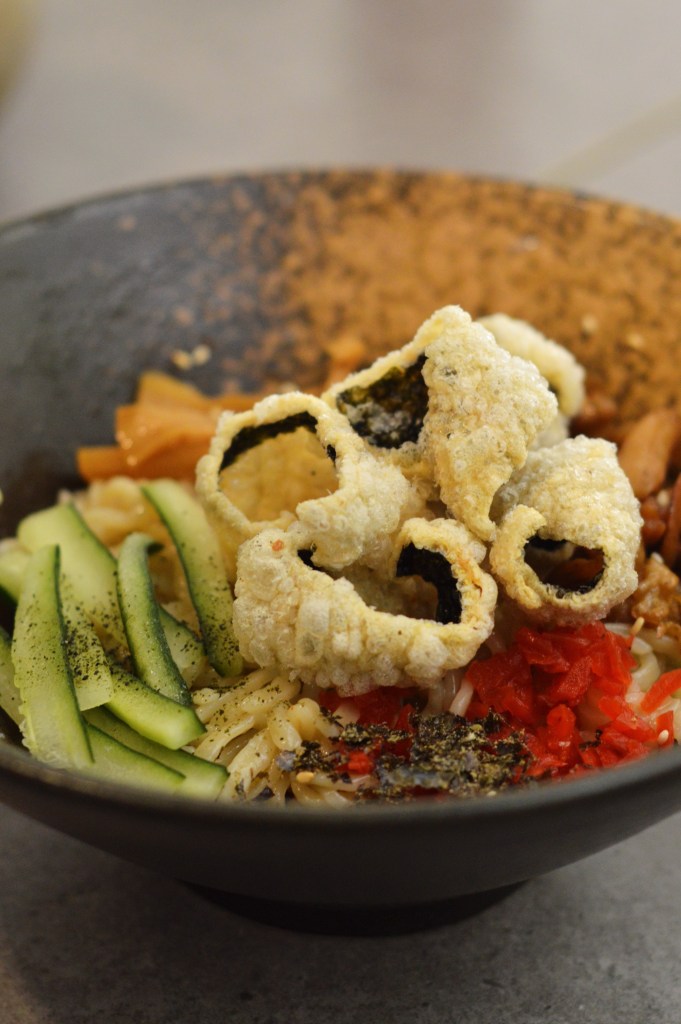
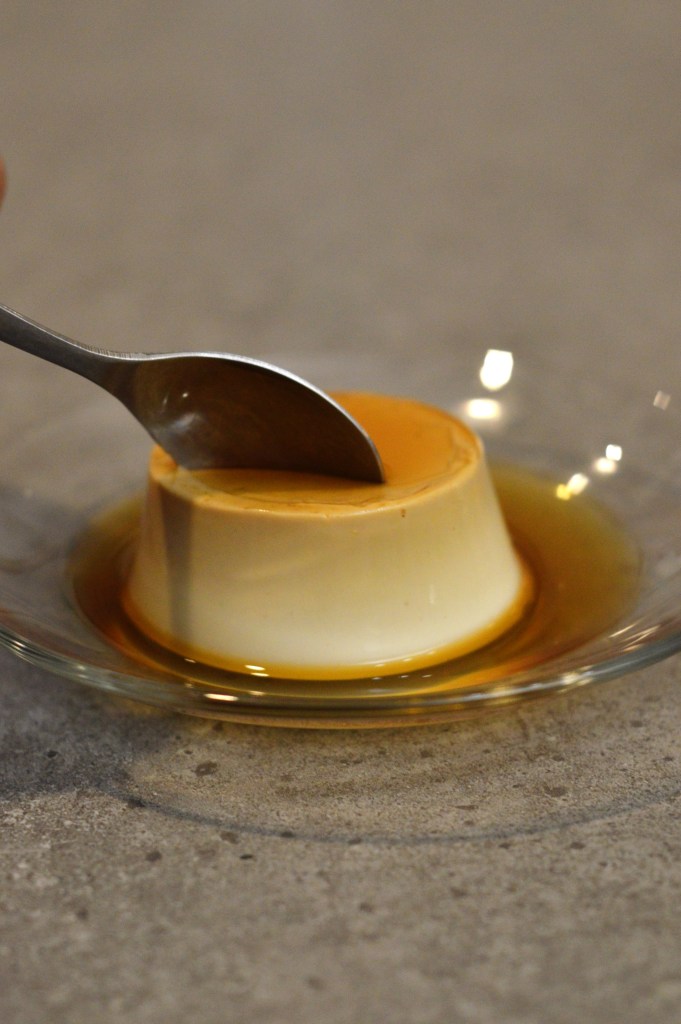

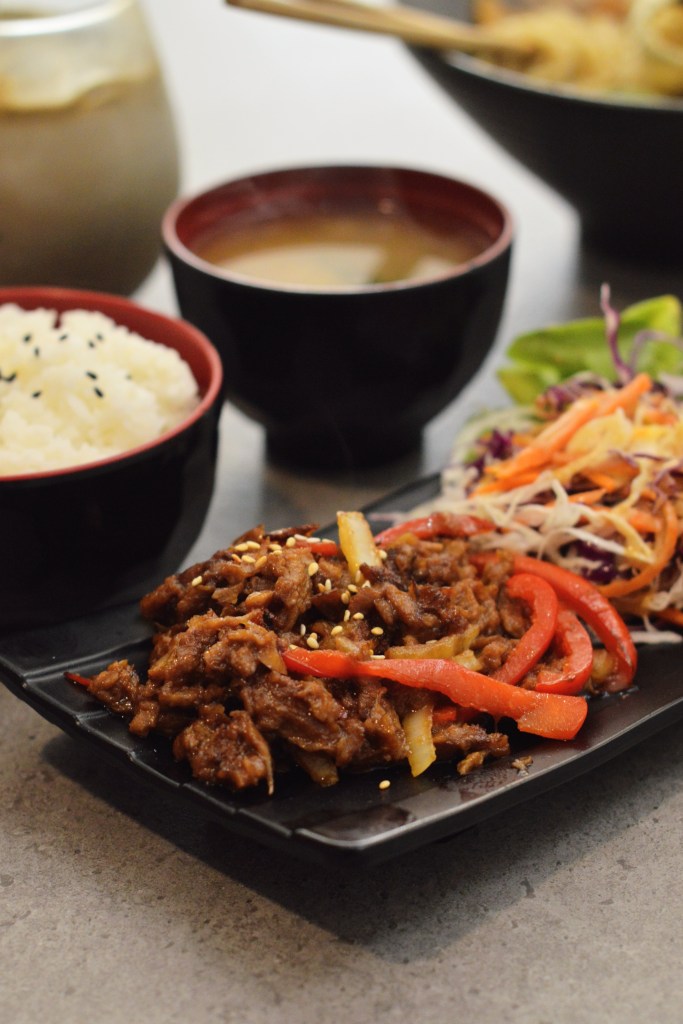
If you find yourself in North Jakarta, this quaint Japanese cafe is fully vegan and I would say it was definitely worth the 1 hour bus ride. I was really excited to try the houjicha iced latte and it did not disappoint. I was obsessed with the sweet matcha tea flavour. I also tried the teriyaki mock meat, caramel pudding and Chinese style noodles, which were all super yum! You can also see the staff making some of the food fresh like takoyaki outside the cafe.
Gigi’s Vegan Eatery – Serpong, south-west of Jakarta


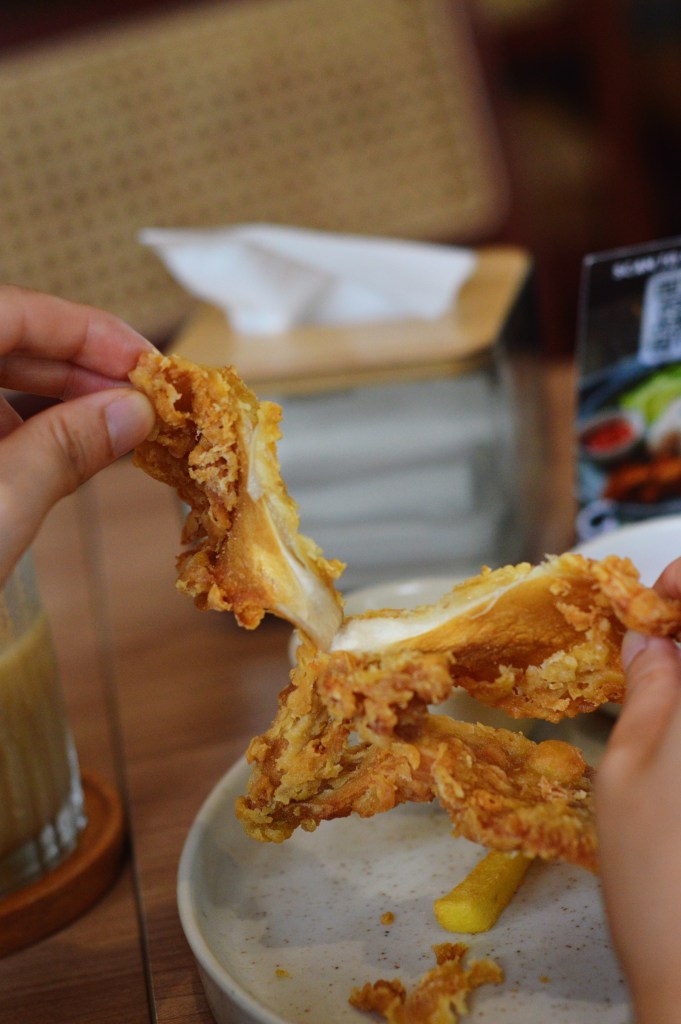
This calm cafe is located in Serpong, which is southwest of central Jakarta. This area has a lot of vegetarian Chinese restaurants and cafes as there is more of a demand for vegetarian cuisine here. They have quite a selection of western style food, which I often do crave in Indonesia to get a sense of home again. This pizza was such a delicious mix of toppings, including corn, a gooey and rich vegan cheese and vegan cha siu (Chinese BBQ pork) and this drink was a gula aren latte, which is made from a special kind of dark sugar with coffee. The sugar has a rich, caramel-like taste which was a divine pairing with the iced coffee. I also tried the Kentucky fried shrooms, served with chips. The texture of oyster mushroom is perfect for creating that crunchy and meaty texture. It was tasty but I would have liked a bit more of a flavourful seasoning on it.
Ordering food from a warung
I certainly feel quite intimidated when ordering from a warung but I’m fortunate that Yayan has given me some tips on what to get and how to get it!
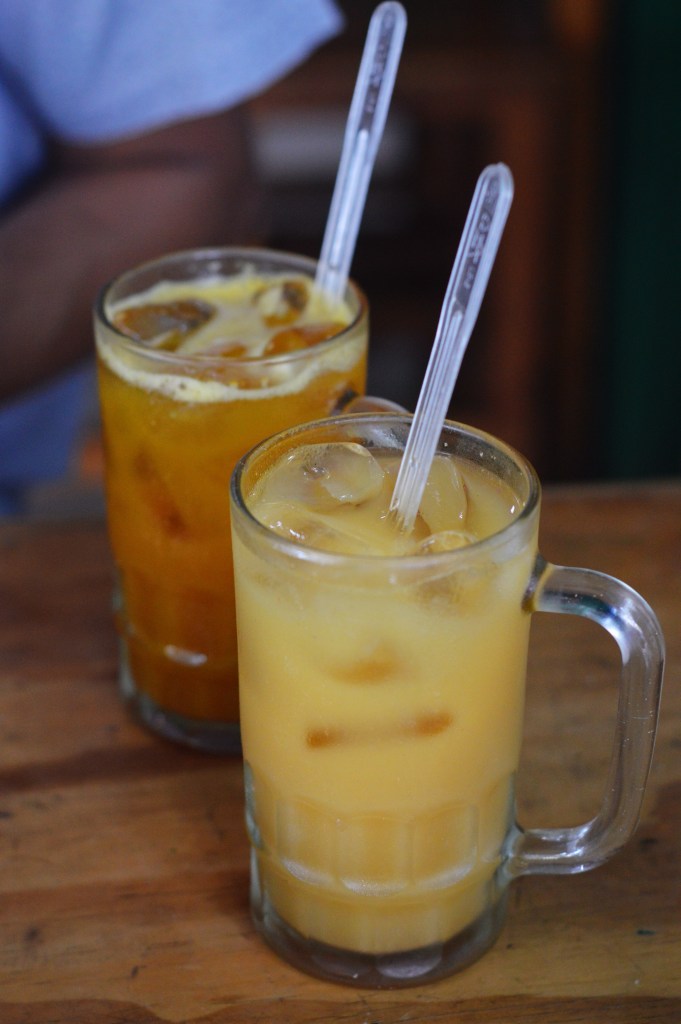

We went to a place that sells Pecel near the market we bought ingredients from. Pecel is a Javanese salad made with steamed veggies and topped with a peanut sauce. It is usually served with peanut crackers called peyek kacang, but this contains egg so you can say ‘tanpa peyek kacang’ which means ‘without peanut crackers’. They will also ask if you want lontong (rice cake steamed in a banana leaf) or nasi (rice) with it. After they prepare the salad part of the meal, they will ask for what sides you want, which are on display. The vegan options include bakwan (vegetable fritters) and various kinds of tofu and tempeh. Each side will cost a little bit extra. Beras Kencur and Kunyit Asem are both traditional herbal drinks, the former being made from rice and a cooling herb called Kencur, and the latter being a turmeric and tamarind blend which is apparently known to be good to drink if you’re on your period.

Many warungs will have clear signage as to what they sell, and if the sign says ‘tahu tempe’, you’re in luck! We went to a warung that had this label as well as ‘nasi uduk’ which means coconut rice, so we enjoyed a humble meal with freshly deep fried tofu, tempeh, coconut rice, salad and sambal. The best thing is, the food is crazy cheap and our total for 2 people was less that 10 bucks!
Extra tips for your trip in Jakarta
- Dress modestly. Jakarta is home to a majority Muslim population that values adhering to the customs of dressing without showing much skin, especially for women. You will hear calls for prayer at regular times throughout the day, as well as noticing the prominence of wearing garments that fully covers the head, arms and legs. If you want to respect the culture, and also not stand out from the crowd or get weird looks, wear loose clothing that doesn’t bring attention to your body shape. I also occasionally wore a hijab (Indonesian: jilbab) and quite enjoyed blending in with the crowd while also learning to appreciate the value of who I am rather than placing emphasis on what I look like. It was however, more challenging on especially hot and humid days to maintain my calm while wearing one, because my mind wanted to commit but my body was struggling. Also, if you plan to wear one and you feel like taking it off or putting it back on again, make sure you do it in the bathroom as it is considered impolite to change it in public.
- Get to know the language. Jakarta is not as common as Bali for tourists. If you look Indonesian or Chinese, many Indonesian people will assume you can speak the language unless you say otherwise. Indonesian is a great language to learn as the writing is phonetically similar to English and learning a few words may even blossom into a language learning hobby (that’s what happened to me!). I have an online tutor named Suci – find her Instagram here, who has helped me learn the more commonly used phrases in casual Indonesian, which is more common in daily life. Also avoid using common language learning apps for Indonesian as they are often way too formal for navigating daily conversations and will be pretty much useless in decoding what people are saying to you. You can start with these words:
Makasih = thank you
Nggak = no
Ya = yes
Saya mau pesan… = I want to order…
Berapa harganya = how much is it?
- Download Gojek or Grab to get around easily. Getting around via motorbike is the most convenient due to being able to navigate traffic with more ease, but it is not as comfortable for longer trips. It is also really hot and you will be prone to getting sunburned on a motorbike for an extended amount of time. You can also order food delivery via the app. Many shops open in crazy early hours and also until late, which makes it super convenient if you’re craving a midnight snack. It’s also quite challenging to find a motorbike rental, so using these apps are ideal.
Follow my food journey at @cookwithpez on Instagram for more vegan food inspiration and travel tips around Indonesia!
 Cook with Pez